When I talk about a Feng Shui wealth corner, I am not talking about decoration for decoration’s sake. I am talking about a part of the home that can hold intention, emotion, and daily ritual. In a well-designed house, even one corner can change how you feel when you walk in.
I founded Dexign Matter Studio in Toronto after many years working across Guangdong, Shanghai, Singapore, and Canada. That journey shaped the way I see design. Culture matters. Memory matters. The narrative of a space matters. A home should never feel generic. It should reflect the life inside it.
For me, good design is the perfect solution to a problem. The wealth corner follows the same rule. If it is dark, cluttered, or disconnected from the rest of the home, it will never feel strong. If it is clear, layered, and meaningful, it can quietly support the whole house.
There is also a practical side to this. A Better Homes & Gardens Real Estate/AREAA survey found that 86% of Chinese-American homebuyers said Feng Shui influenced their purchase, 81% said it shaped their most recent home purchase, and 79% said they would invest more in a home that applied Feng Shui principles. That is not every buyer, of course. But it shows that Feng Shui carries real emotional and financial value for many people.
When I say wealth, I include money, but I do not stop there. Wealth also means time, ease, health, confidence, privacy, beauty, and emotional comfort. It means a home that supports the life you want.
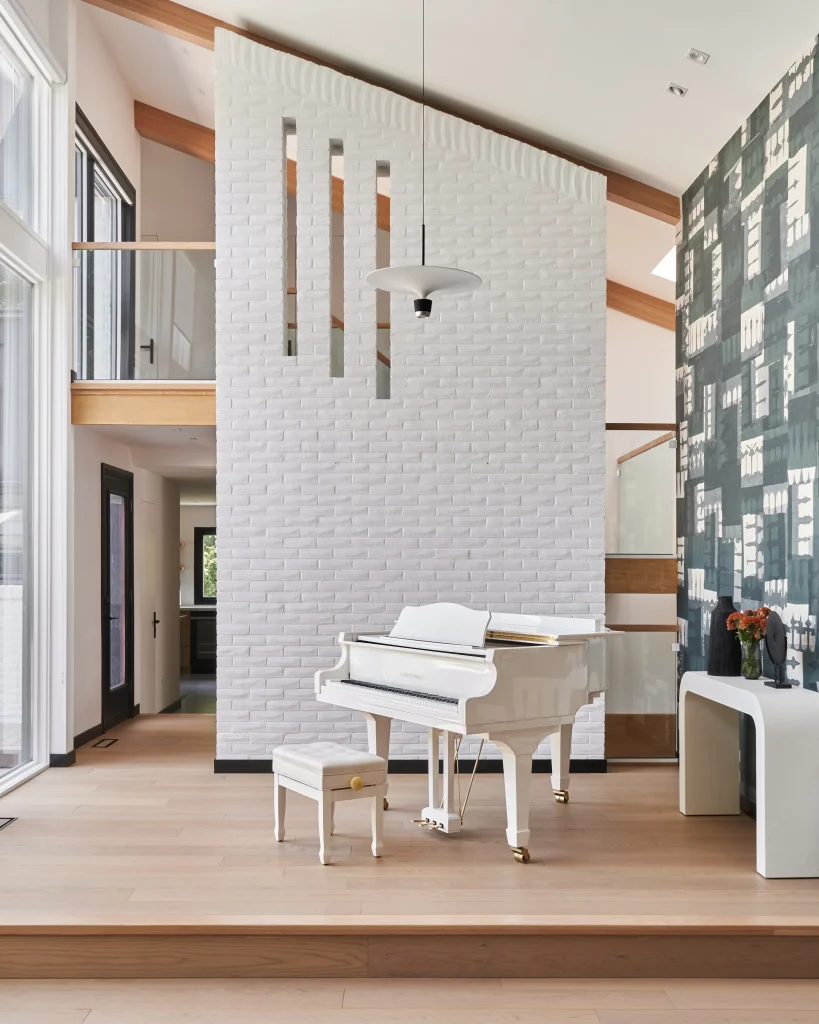
After more than 160 interior projects across Canada, I can tell you one thing very clearly. Abundance does not have one look. For one homeowner, it is a tea room that supports quiet reflection. At Cachet Parkway, that room became an homage to Chinese traditions of mindfulness and rest. For another homeowner, it is a basement piano lounge tailored to a lifelong passion, like the one at Hartney Dr. For another, it is hotel-like indulgence with softness and calm, which guided my approach at Lady Jessica Residence.
This is why I do not start with objects. I start with meaning. What do you want this part of your home to support? More calm at the end of the day? More focus? A stronger sense of welcome? A place to pause and breathe? Your answer should guide the design.
How to find your Feng Shui wealth corner
The simplest method is the bagua map. I like it because it is easy to apply. Take your floor plan and divide it into nine equal sections. Align the bottom row of that grid with the wall that contains your main entrance. In that layout, the top left area is your wealth corner.
Use the entrance that truly functions as the main entry to the home, and stay consistent. If you live in a condo, this is usually straightforward. In a larger home with multiple doors, choose the one that acts as the real front entry in daily life.
You can do this for the whole home first. Then, if you want to work more precisely, you can apply the same nine-part grid to a single room. This is useful in a home office, a primary bedroom, a library, or a sitting room. Many homeowners like to strengthen the wealth area of the full house and one important room at the same time.
Some people prefer the classical compass method and use the southeast sector of the home. That method can work well too. My advice is simple. Choose one method and stay with it. If you keep switching methods, the process becomes confusing very quickly.
If your plan is irregular, do not let that stop you. Older homes, architecturally significant properties, and city condos often have odd corners, additions, or missing sections. Work with the nearest usable part of the zone. In design, I always look at what is possible first. Then I strengthen it.
If you live in a multi-level home, start with the main floor. That is usually where movement, entertaining, and daily life are most active. After that, you can check the same area on the upper level and decide if it also needs support.
Before you style it, read the condition of the space
I approach every project step by step, and this is the step many people skip. Before you add anything, look carefully at the area. Is it dark? Is it full of storage overflow? Is there chipped paint, a dead bulb, or a maintenance issue that has been ignored? Those details matter.
A wealth corner should feel cared for. If there is a leak, repair it. If there are broken items, remove them. If the space is congested, clear it. You cannot create a sense of abundance in a corner that feels forgotten.
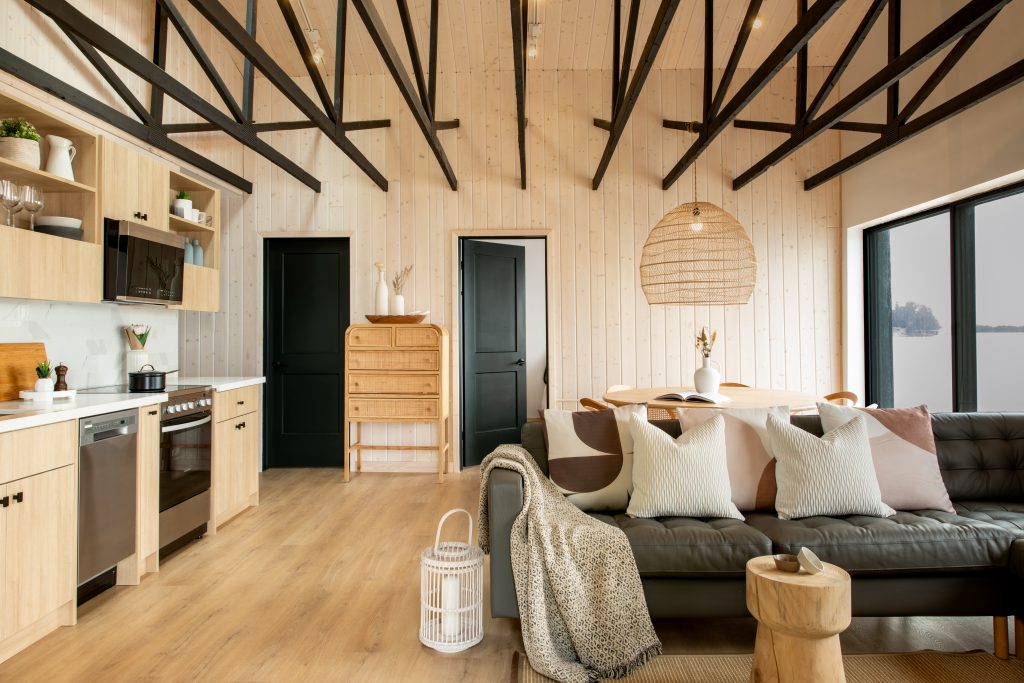
I have seen this again and again in projects. At Away Cabins Ricelake, the cabins felt dark and compressed when I first saw them. We exposed the original roof beams, opened up the feeling of the ceiling, and added skylights and windows. The shift in mood was immediate. Light changed the emotional reading of the space.
How I would style a wealth corner in 2026
Start with one clear narrative
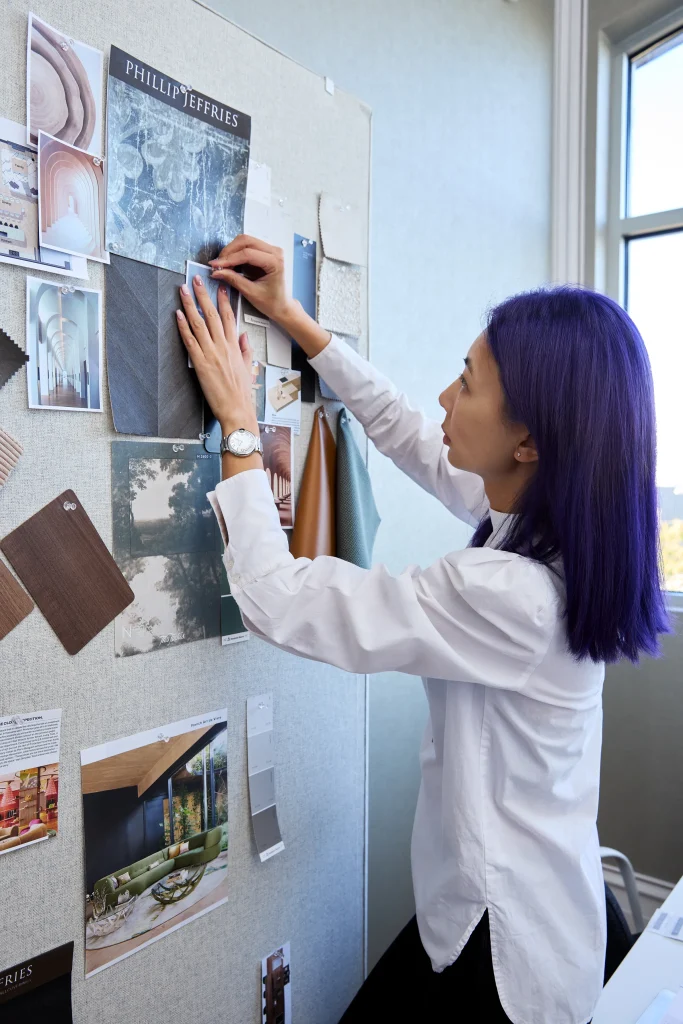
My design process always begins with the spirit of the project. I need to know the story before I choose the finish. I would do the same with a wealth corner.
Write one simple sentence for yourself. It could be about calm, growth, hospitality, creativity, or legacy. Keep it focused. A clear narrative will help you edit every choice that comes after.
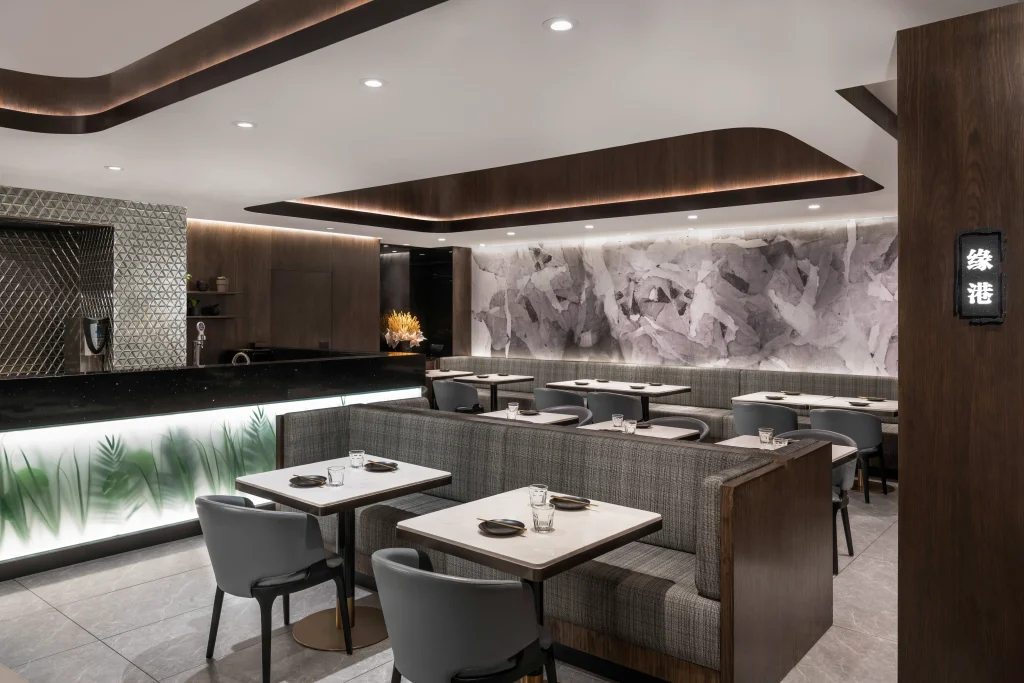
I am always drawn to provocative concepts and expressive narratives, but they need discipline. I use this approach in all kinds of work. Yuan Chinese Cuisine was shaped by the spirit of Chinese ink and wash painting.
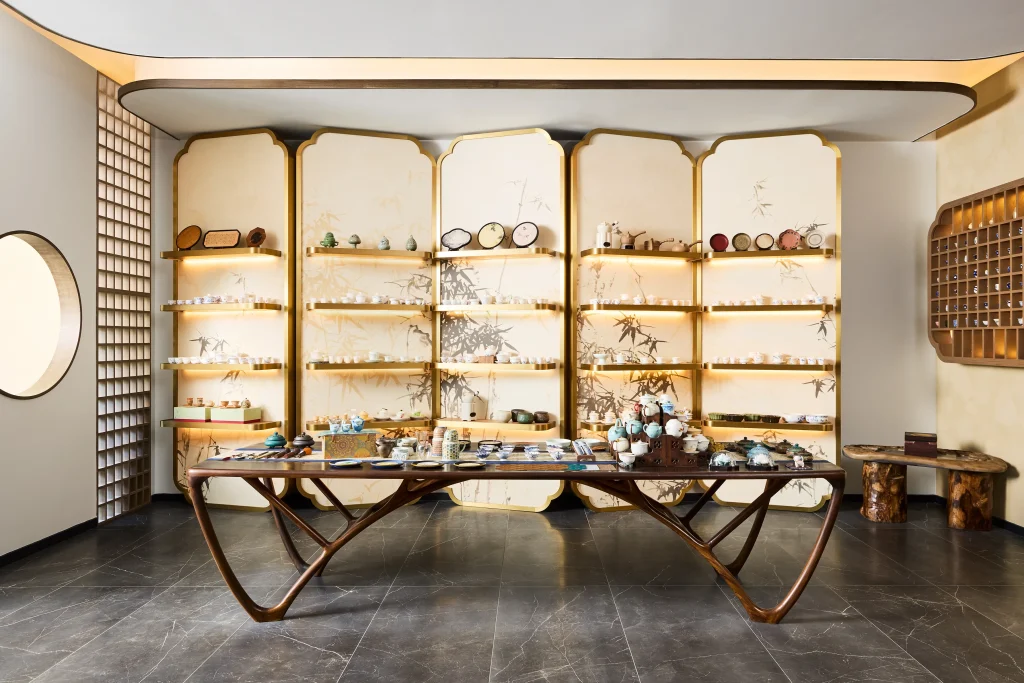
Brewin Teaware was designed to make people slow down, breathe, and savour tea. The concept gave each space its strength. Your home deserves the same clarity.
Use materials that feel grounded, rich, and alive
For 2026, I would keep the palette warm, tactile, and personal. I lean toward less-is-more restraint with tactile richness. That combination ages well.
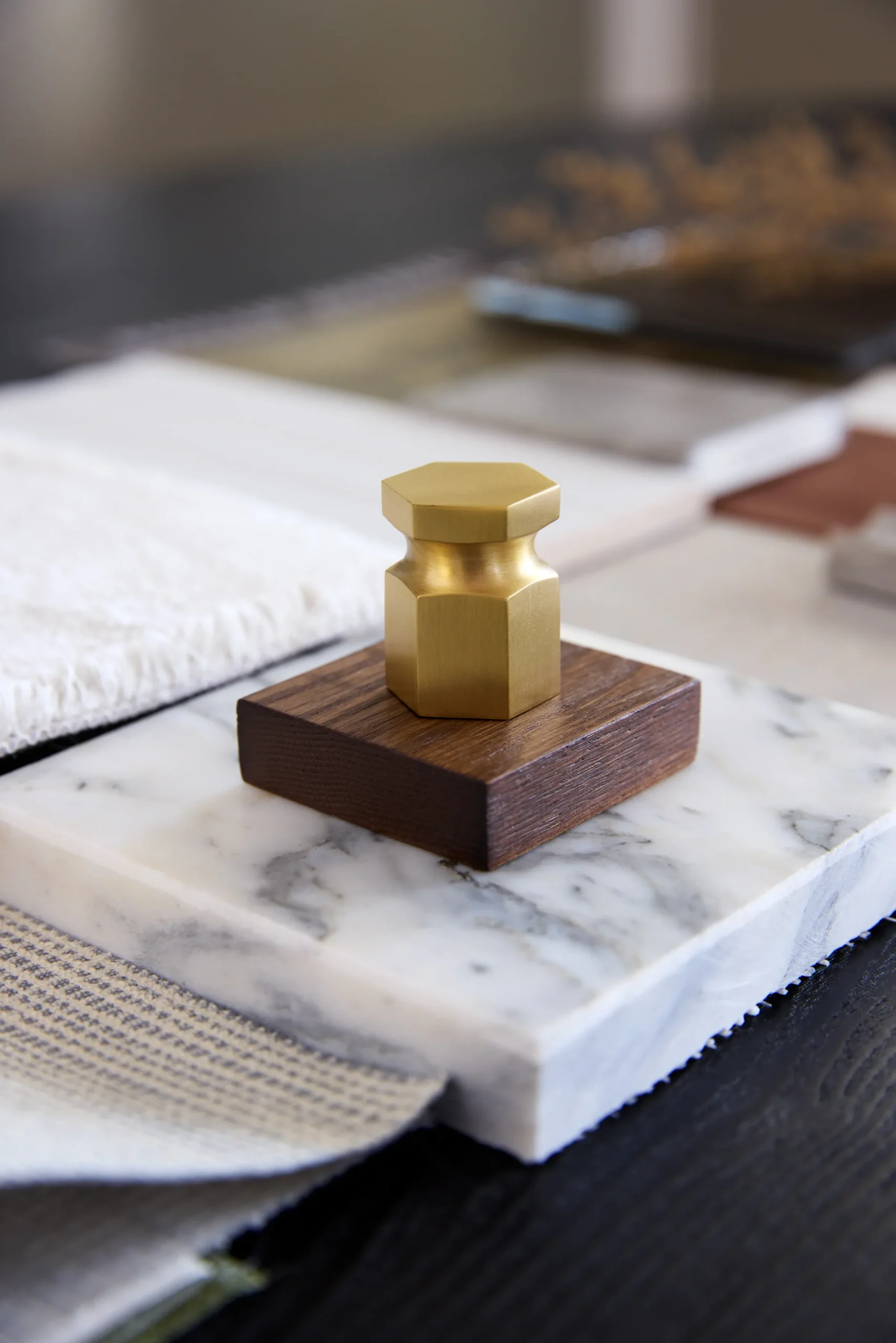
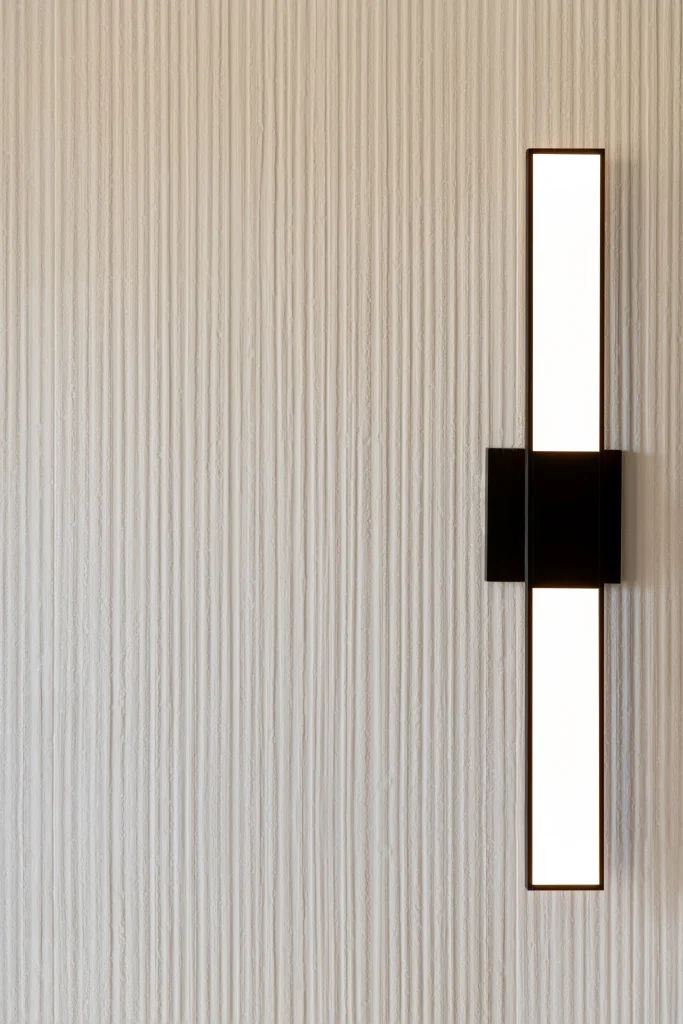
I love exploring the juxtaposition of materials, colors, forms and patterns, but I like to do it with control. A wealth corner should feel layered, not busy. Natural materials are very powerful here. Wood brings warmth and growth. Stone adds permanence. Linen softens the mood. Clay-toned plaster, handcrafted ceramics, and a brushed metal accent can give the corner quiet depth.
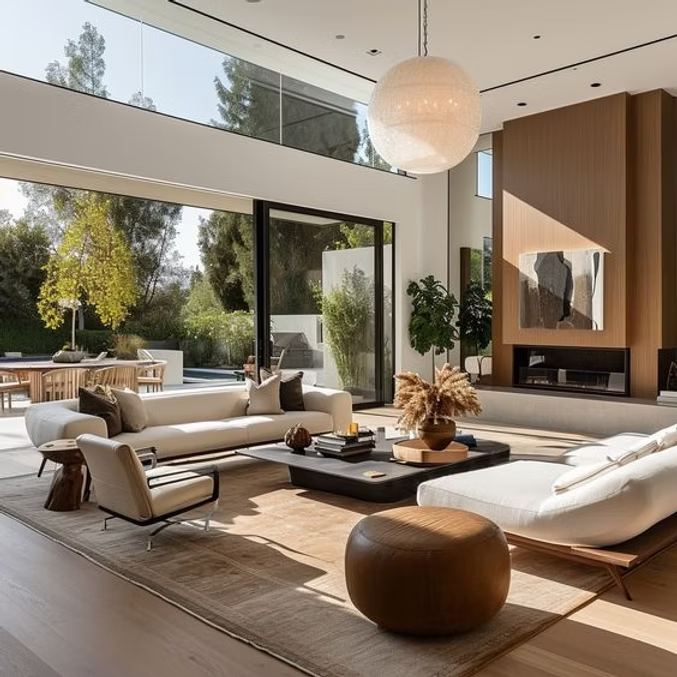
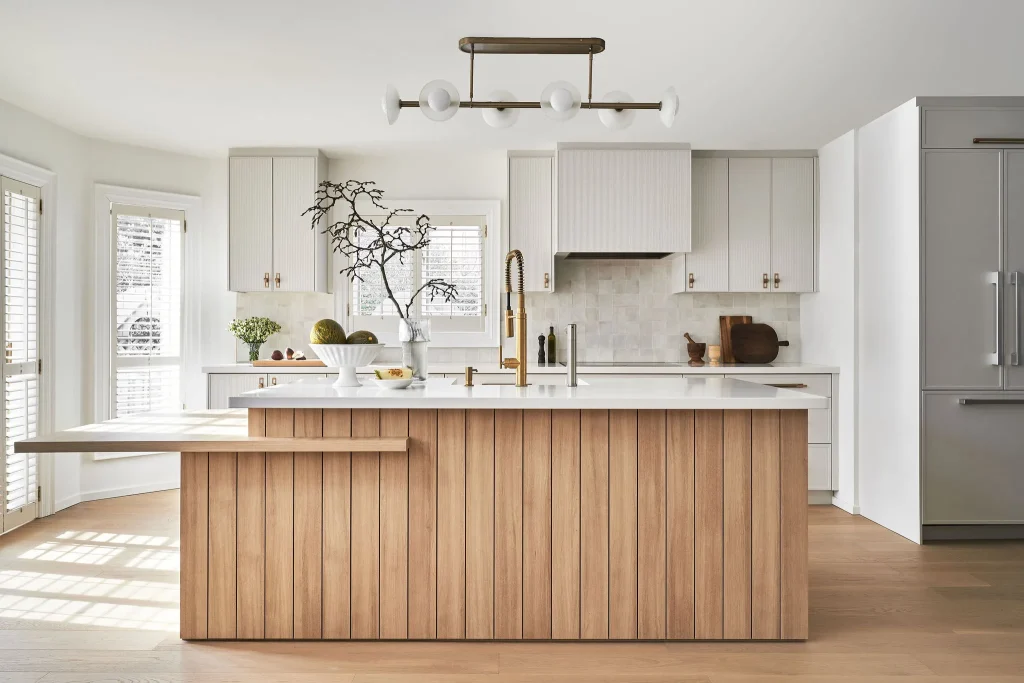
This is how you build a multi-layered, stimulating sensory experience without visual noise. You can see this thinking in many of my projects. At Rumsey Residence, I used white oak, travertine, and marble to make the home feel bright, warm, and inviting.
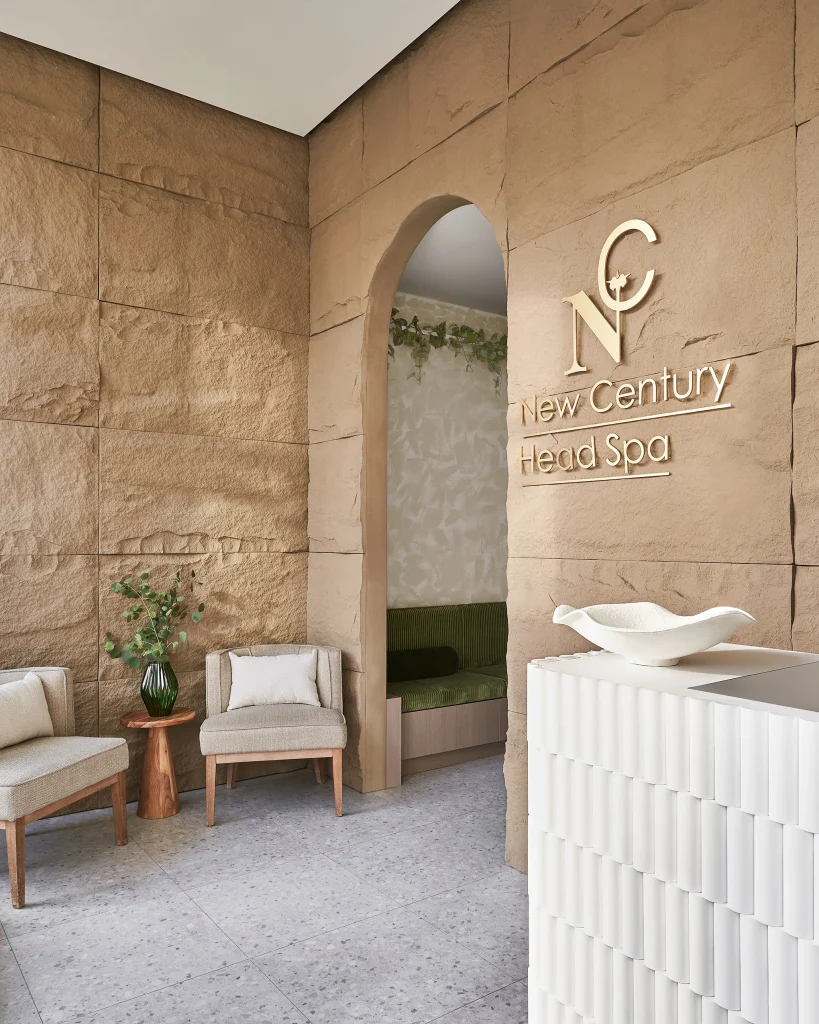
At New Century Head Spa, muted beiges, creamy whites, warm wood, linen drapery, and handcrafted ceramics created a calm and tactile environment.
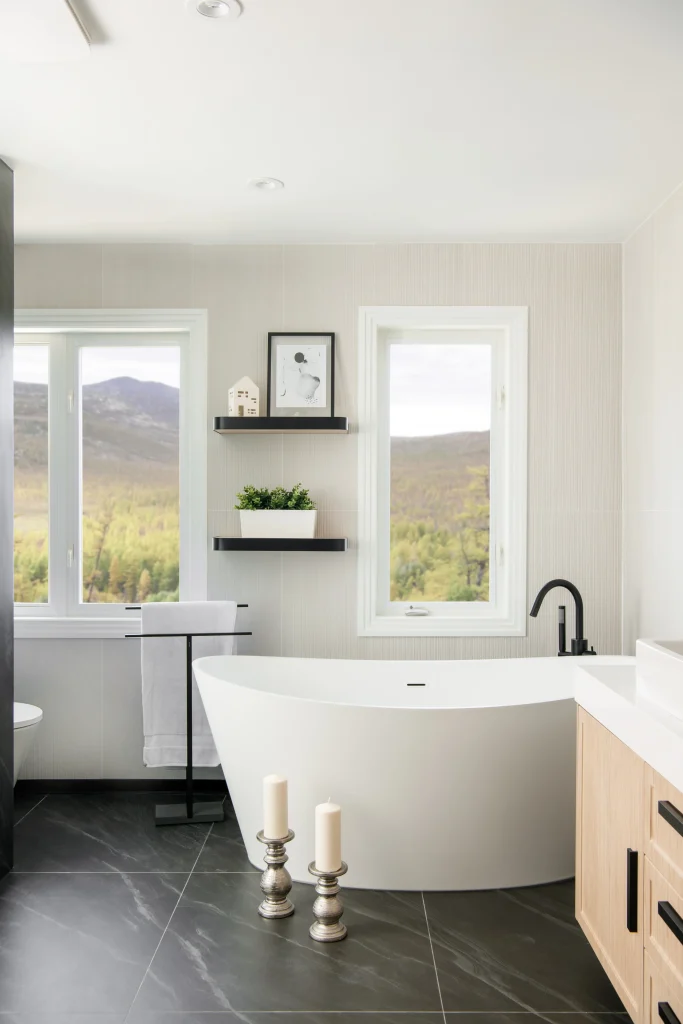
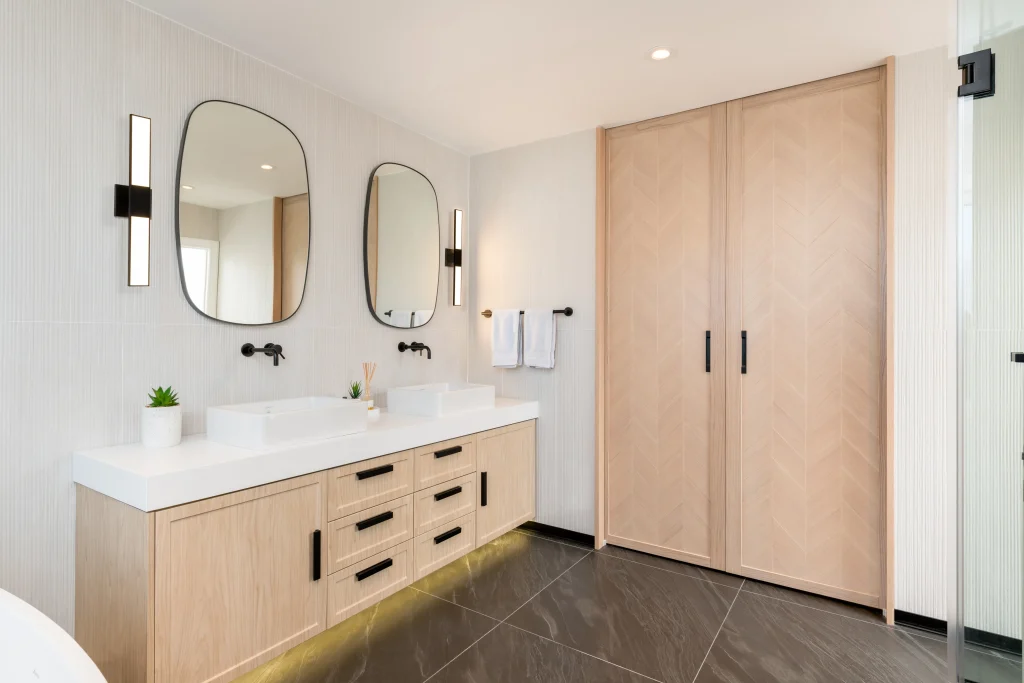
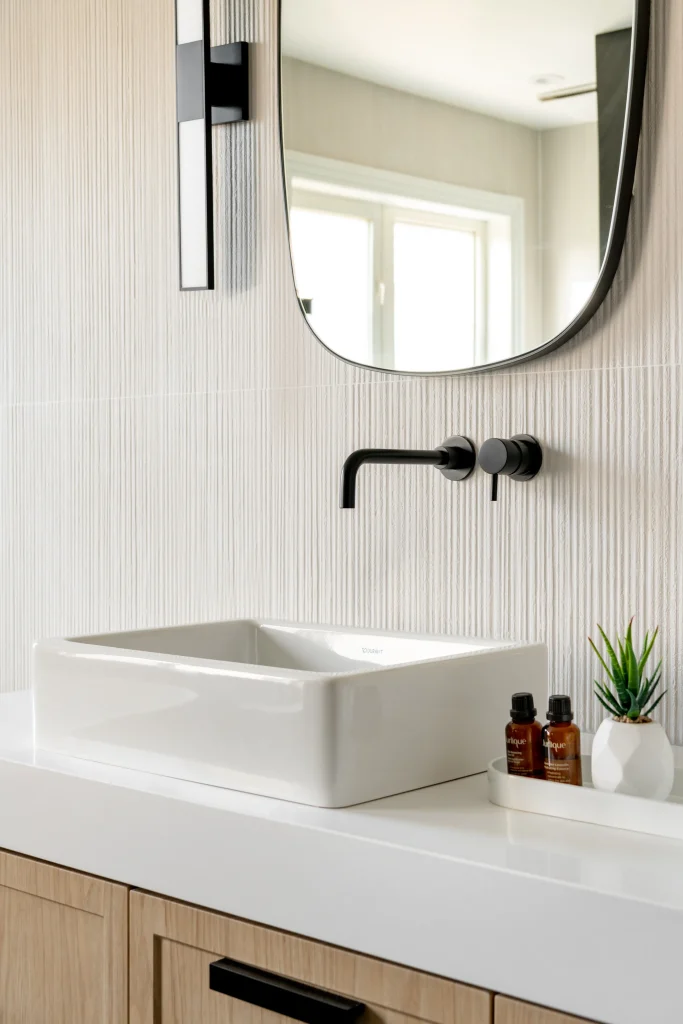
At Melrose Ave, light wood and floor-to-ceiling textured tile gave the bathroom a restrained, spa-like feeling.
Bring in living energy carefully
If the corner has enough light, a healthy plant can be a very good addition. I say healthy for a reason. Care matters more than symbolism.
Lighting is one of the fastest ways to change the energy of a space. If the wealth corner is dim, flat, or harshly lit, it will never feel resolved.
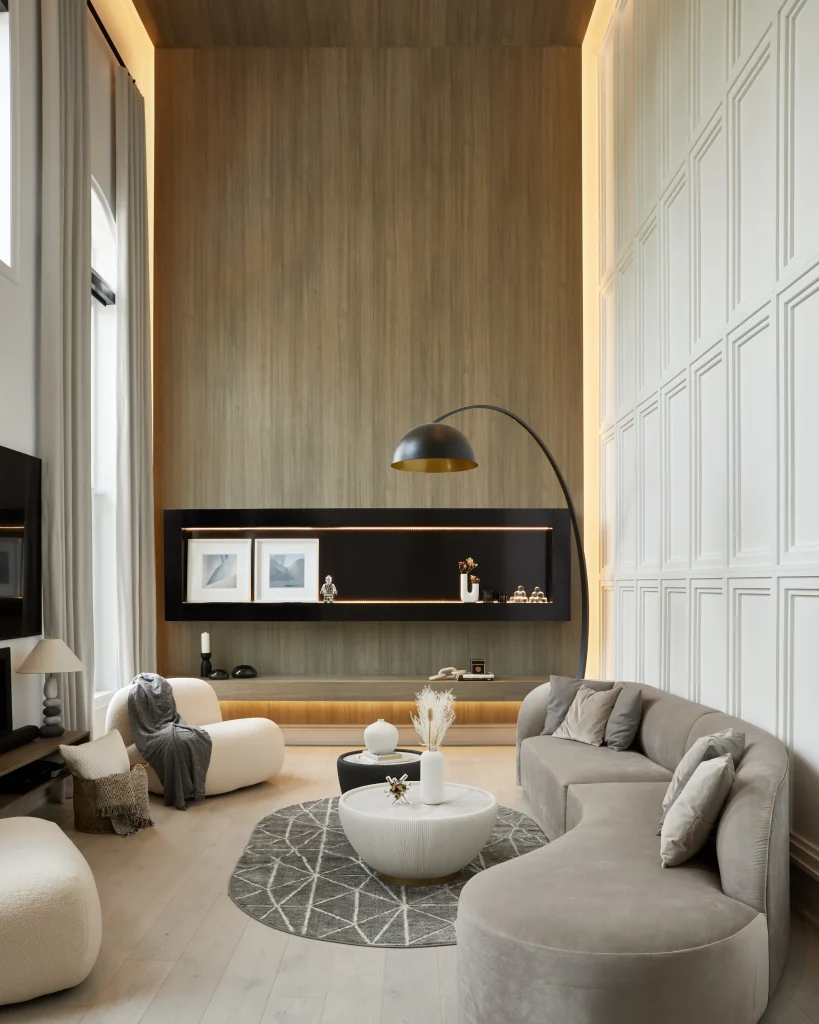
I prefer warm, layered light. Natural light is ideal. If that is not available, use a lamp, a picture light, or concealed LED integrated in a way that feels refined. In Lady Jessica Residence, concealed LED strips helped create a gentle and inviting glow.
In New Century Head Spa, soft lighting emphasized the curves and textures of the space. That kind of illumination makes a room feel finished.
Edit the objects with discipline
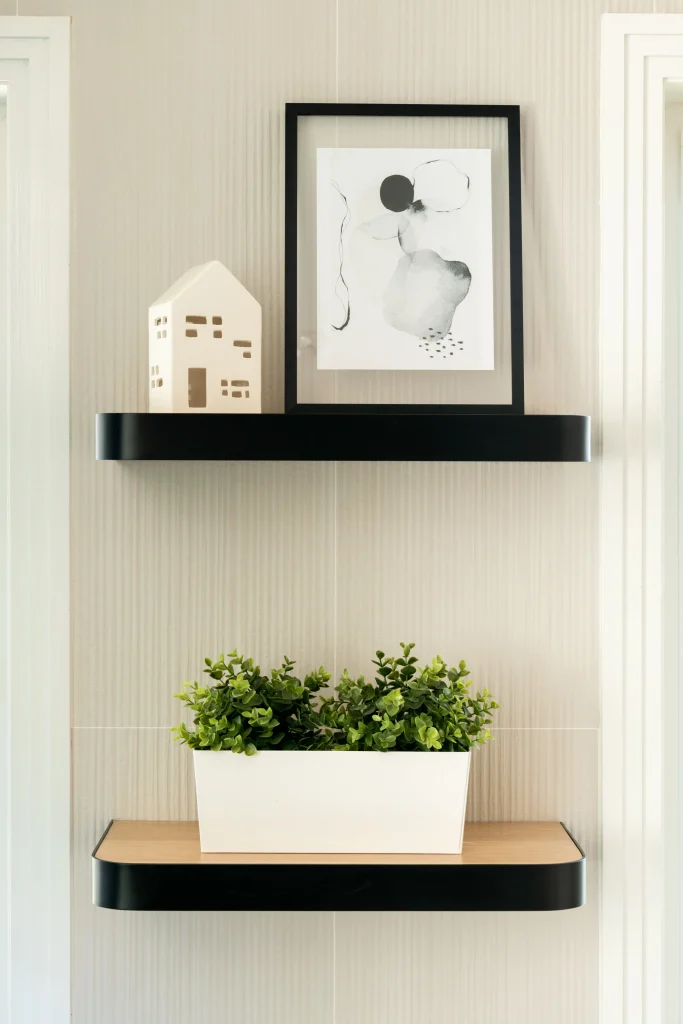
I do not like styling a wealth corner with random items simply because they are said to be lucky. That usually creates clutter and breaks the narrative of the home. I would rather see one beautiful piece of art, one strong lamp, a healthy plant, and a small number of meaningful objects chosen with care.
Sometimes the work is simple. It is about curating spaces, dressing up walls and adding finishes so that the corner feels intentional. A console, a pedestal, a niche, or a built-in shelf can do a lot if the composition is balanced. Good styling needs breathing room.
Respect the architecture that is already there
If your home has strong original features, use them. Do not cover them up with generic decor. Preserve the soul of the house and let the wealth corner grow from that character.
If you are working with a heritage home or a house with bold original architecture, this matters even more. At Cachet Parkway, we preserved the triangular roof structure and the brick walls.
At Rumsey Residence, we kept the stained-glass window in the entry as a nod to the home’s traditional roots. Those elements already carry memory. A wealth corner becomes stronger when it is in conversation with that history.
Common mistakes I see
The first problem is clutter. People pile too much into the corner and hope the symbolism will do the work. The result usually feels heavy and unresolved.
The second problem is neglect. Dusty surfaces, dead bulbs, damaged finishes, or a plant that is struggling will pull the energy down very quickly. A wealth corner needs upkeep. It should feel alive.
The third problem is forcing a style that does not belong to the rest of the home. Good design is not defined by a specific look. I believe that deeply. A wealth corner in a minimalist home will not look the same as one in a richly layered townhouse. Both can work beautifully if they solve the problem and support the homeowner’s goals.
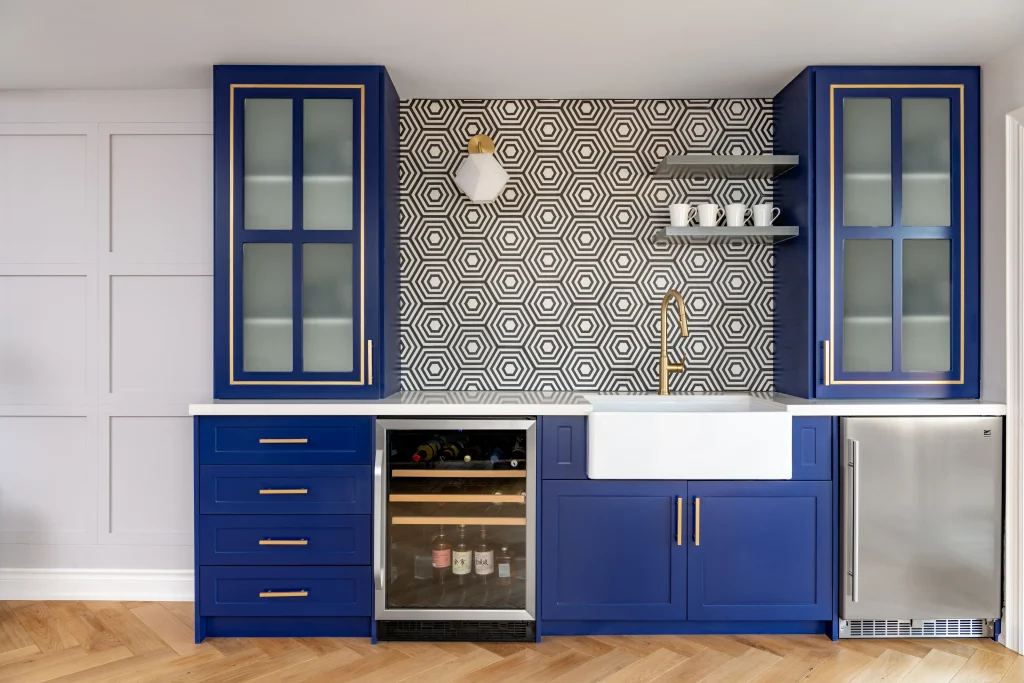
I also see homeowners get nervous about contrast. They love strong materials, but they worry the result will feel chaotic. This is where discipline matters. At Hartney Dr, I brought together saturated blue cabinetry, wallcoverings, brass accents, and velvety textures because the story of the home could support that richness. Contrast works when the design has rhythm.
When the wealth corner lands in a difficult spot
Sometimes the wealth corner falls in a bathroom, a hallway, or a storage-heavy area. That is common. You can still improve it.
If it lands in a bathroom, focus on cleanliness, lighting, and calm material choices. A spa-like mood helps. I often think about the quiet restraint I pursued at Melrose Ave and the serene luxury of the principal bath at Cawkers Cove. Order, texture, and good lighting go a long way.
If it lands in the kitchen, treat it as a zone of nourishment and family flow. Kitchens are often the heart of the home now. At Rumsey Residence, opening the first floor and adding the kitchen island changed how the family lived together. At Spring Blossom Cres, dual islands improved both function and connection. That kind of planning supports abundance in a very real way.
If it lands in a hallway or closet area, remove excess storage and make the zone deliberate. Add proper lighting. Improve the wall finish. Use cabinetry or boxes that bring order. Even a narrow transition space can hold presence if it is resolved well.
If you are renovating, plan the wealth corner early
If you are renovating down to the studs, bring Feng Shui into the project from the beginning. Do not wait until the styling stage. By then, many of the most important decisions are already fixed.
At Dexign Matter Studio, I guide projects from concept through construction coordination. The conceptual development stage is always critical for me. It is also my favorite part of the work because that is where the possibilities open up. That is where I define the narrative that will guide the project.
Design can be simple or complex. Sometimes it is about a palette, furniture, and a wall finish. Sometimes it means shifting walls, improving space efficiency, building custom millwork, or integrating concealed lighting and stone in a seamless way. Of course, the vision still has to respect building codes, systems, budget, and schedule. That balance matters.
If your wealth corner is meant to become a tea room, a piano lounge, a library niche, or a hotel-like dressing area, that vision needs to be designed into the architecture early. This is especially important for detail-driven homeowners. Flawless millwork, clean material transitions, full-height wall treatments, and lighting that feels effortless all depend on planning. The end result should feel natural. The work behind it is very precise.
Final thoughts
A Feng Shui wealth corner should never feel like an afterthought. Find it carefully. Clear it fully. Repair what is tired. Then give it light, material richness, and one clear story that belongs to you.
I have always believed that great designs change the way how people live, dine, play, love and even change the world we live in. Home is where that starts. When a space supports your rituals, your culture, your ambitions, and your sense of calm, you feel it immediately.
That is the goal for me. A home with presence. A home with meaning. A home where every space should sing & dance.
Frequently Asked Questions
Do highly bespoke Feng Shui details actually increase a property’s value?
Yes, it drives tangible value. A survey shows 79% of Chinese-American buyers will invest more for Feng Shui. By integrating these principles into complex renovations, we create timeless, bespoke sanctuaries that sophisticated buyers inherently recognize, respect, and financially value.
Can I use saturated colors in my wealth corner, or must it remain neutral?
You can absolutely use bold colors if guided by a disciplined narrative. I frequently explore juxtaposing saturated blues or pumpkin velvets in bespoke living zones. The secret is tactile restraint – balancing intense hues with grounding materials like clay-toned plaster to prevent visual chaos and maintain a serene indulgence.
How do I locate the wealth area in an asymmetrical, historically significant room?
Never strip away a property’s soul for a perfect grid. If double-height brick walls or triangular roof structures create an irregular footprint, work with the nearest usable zone. Preserve the architectural heritage first, then seamlessly modernize the interior language around it using concealed lighting and precise millwork.
How should I activate a wealth corner located in a windowless basement lounge?
Since urbanites spend 80% of their time indoors, windowless spaces require meticulous care. Implement warm, concealed LEDs. I also recommend shade-tolerant greenery. Clinical reviews confirm indoor plants significantly lower physiological stress, transforming a dark lower-level room into a deeply restorative, tactile sanctuary.
How do I conceal modern technology within a traditional Feng Shui wealth area?
Flawless execution is everything. Technology must never disrupt quiet contemplation. We achieve this through highly custom, sculptural millwork – like Shaker paneling extending to double-height ceilings, or seamless marble-look porcelain that conceals screens entirely. The space remains an uncompromising sanctuary entirely free from mundane visual noise.